

An ambulance without fuel and a community health worker without phone credit can each break the chain that connects a sick person to care. Six months into the Ebola outbreak in the Democratic Republic of the Congo, Médecins Sans Frontières says its teams are encountering both problems, even as governments and international partners have mobilised substantial resources for the response.
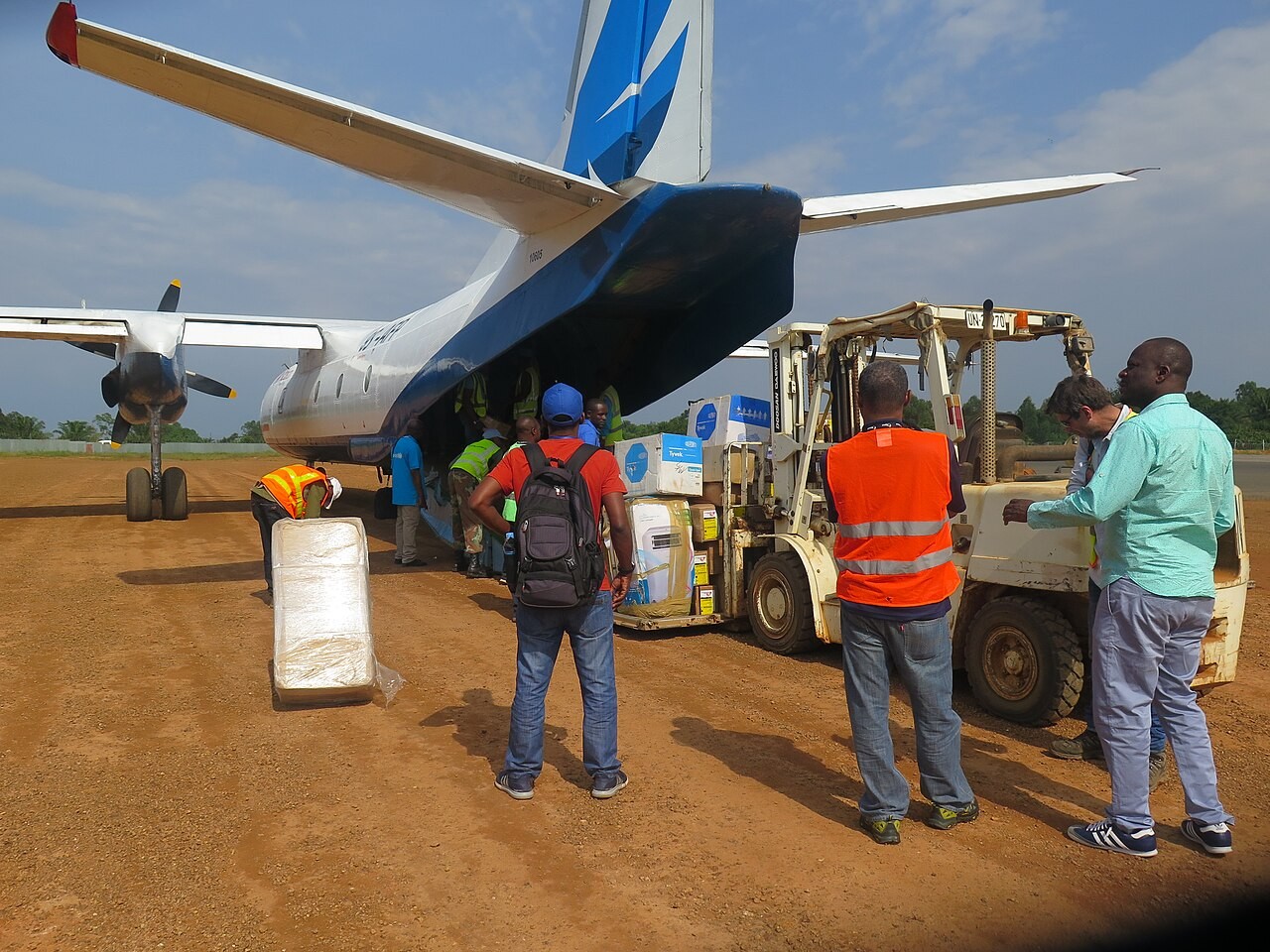
The medical organisation issued its warning on Thursday, calling for closer scrutiny of how support reaches the people expected to detect cases and look after patients. It described unpaid response workers, vehicles that could not be used and clinics struggling to obtain basic supplies. Its criticism concerns the distance between a resource being counted at national level and someone in an affected community actually being able to use it.
One figure from Ituri province illustrates the difficulty. Among Ebola patients treated by MSF teams there since the response began, only nine per cent had previously been identified as contacts by the surveillance system. The figure applies to that group of patients. It tells responders something important about the point at which they are encountering people: in many cases, it is after illness has begun and a patient has reached care.
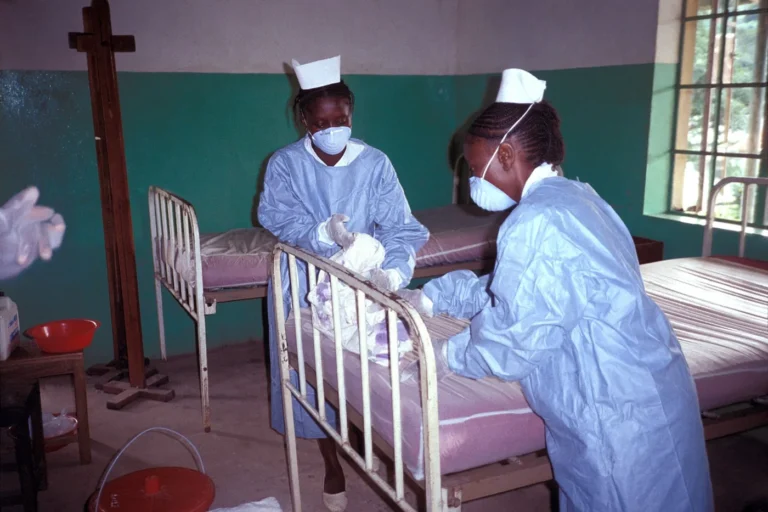
The organisation also drew attention to Beni in North Kivu, where it said close to three quarters of patients in the health zone acquired the infection in a healthcare setting. An ordinary clinic may be the first place a family takes someone with a fever. If staff lack water for cleaning, protective equipment or a place to assess a patient separately, the difficulty extends beyond the person who first sought help.
MSF acknowledged that laboratories can now diagnose more cases and that isolation and treatment capacity has increased. Trials are also under way to investigate potential treatments and vaccines. Yet those investments answer a different need from the daily cost of getting a specimen to a laboratory or getting the result to the right person. A delay at either end can erode the benefit of a faster test.
Congolese authorities have announced measures to improve oversight of the response, according to MSF. The organisation wants attention to extend beyond the initial hotspot, including to Haut-Uélé and to private clinics and pharmacies that may be a family’s first point of contact. A practical test of that effort will come on the next shift: whether the worker who receives an alert can make a call, whether transport is available and whether the facility at the other end can safely receive the patient.