

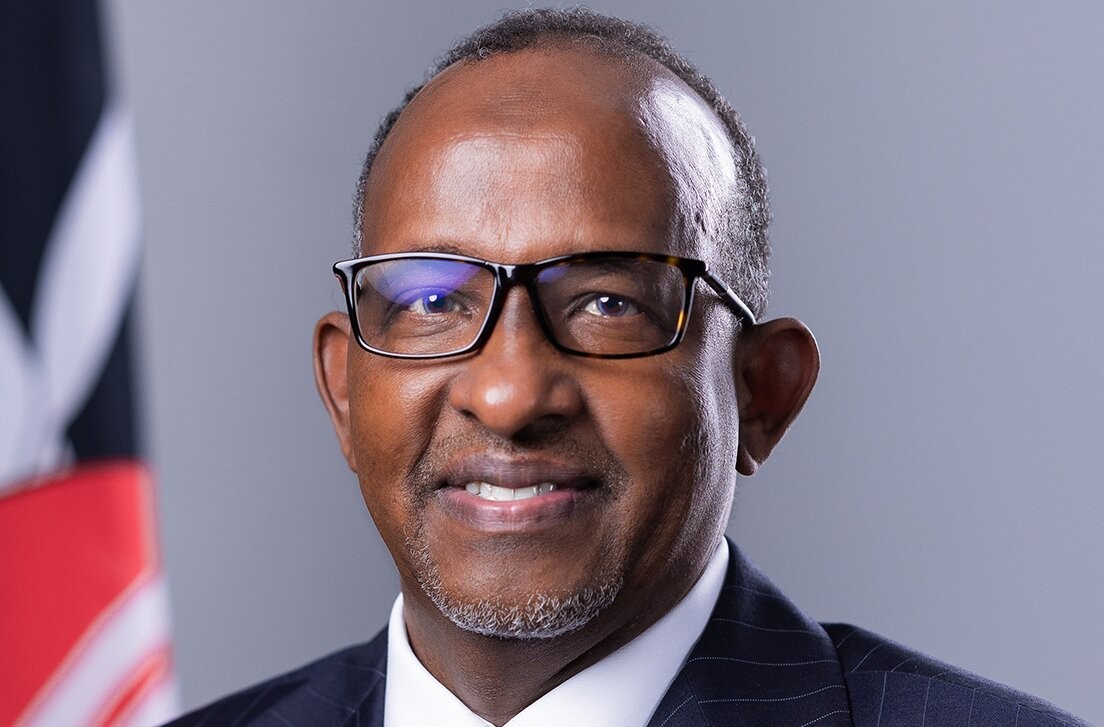
Kenya’s last Ebola patient went home on Wednesday. Eleven people who had been in contact with a patient also returned to their families after completing their monitoring in good health. For the first time since the outbreak began in October, the country has nobody in treatment for the disease and nobody in quarantine, Health Cabinet Secretary Aden Duale announced in Nairobi.
The discharge starts a particularly long wait for a country that has already gone several weeks without detecting another case. Thursday, 12 November, is day one of a 42-day observation period. If no further case emerges, Kenya expects to declare the outbreak over on 23 December. The length of the watch allows twice the maximum incubation period to pass, according to the World Health Organization.
Nine people were diagnosed during the outbreak. Seven recovered and two died. The first patient was a Kenyan who had travelled home from the Democratic Republic of the Congo through Uganda. Once the infection was recognised on 6 October, tracing the people who might have been exposed became a task that extended beyond Kenya’s borders. Teams identified and monitored 135 contacts of that first patient, WHO said.
Four members of the patient’s family and four health workers who had cared for him subsequently tested positive. All eight were already under observation when they became ill. That detail helps explain why officials are confident about the chain of infection they traced. It also shows how much of the risk was carried by two groups doing much the same thing in different settings: looking after someone who was ill before anyone knew the cause.
The last new case was confirmed on 19 October. Five patients left treatment together on 3 November, and a sixth went home three days later. For those families, Wednesday’s announcement marks a different stage of recovery. The ministry says survivors will continue to receive follow-up care. WHO also called attention to what awaits people after discharge, including the importance of being welcomed back into their communities.
County response teams will remain on alert through the countdown, and the ministry says reports of possible cases will still be investigated. Kenya has kept travel, trade and public gatherings open. For families who have spent weeks apart, the immediate change is something much simpler than a national declaration. They can be together again. For the teams monitoring the outbreak, the date that matters next is in December, and it depends on what surveillance finds between now and then.