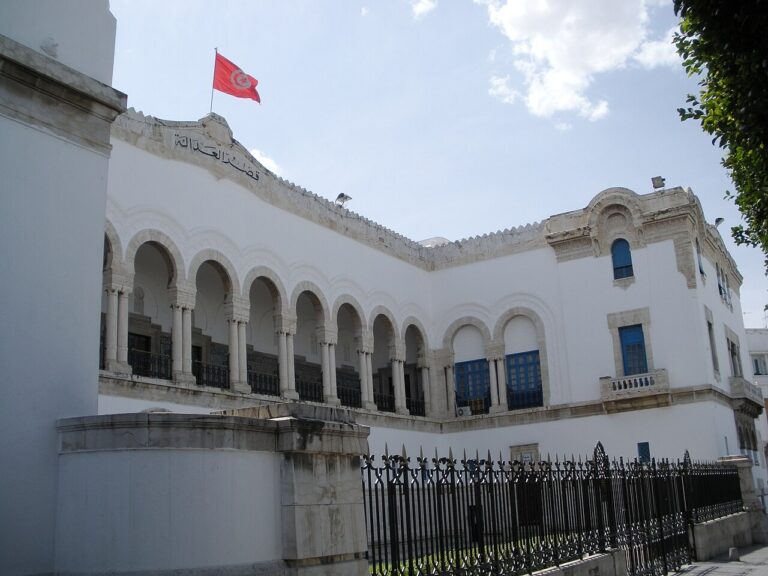


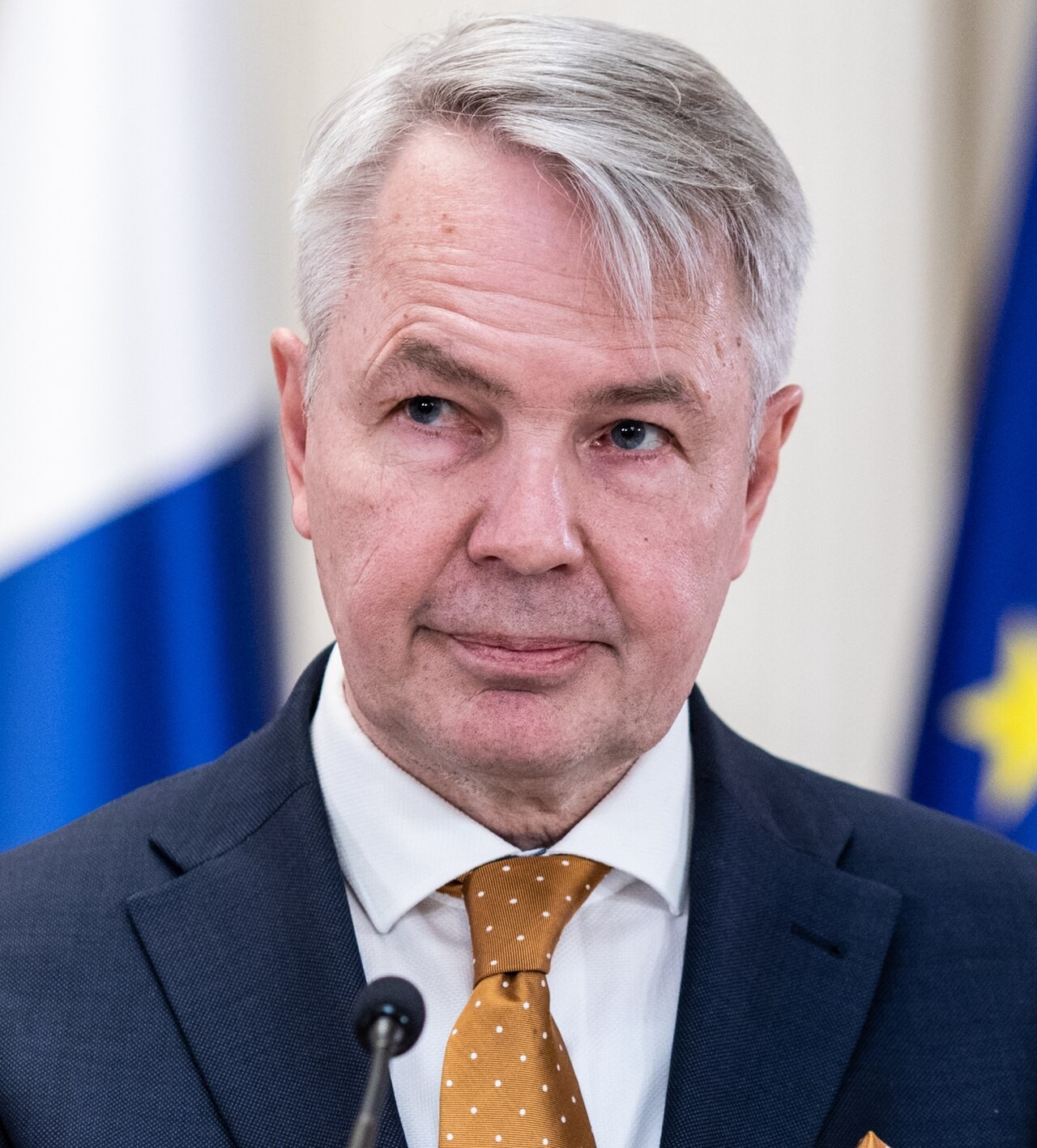
At the African Union headquarters in Addis Ababa on Wednesday, two officials charged with helping end Sudan’s war sat down to discuss how to get the different peace efforts working together. Mahmoud Ali Youssouf, who chairs the African Union Commission, received Pekka Haavisto, the United Nations Secretary-General’s personal envoy for Sudan. Their agenda brought together two demands that Sudanese families have heard for years: an end to the fighting and a way back to civilian politics.
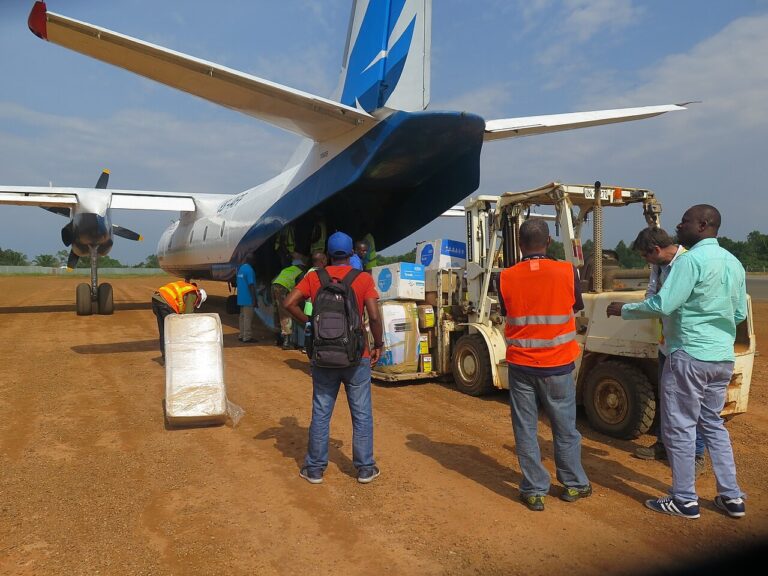
The immediate question is what a ceasefire would allow people to do. A family deciding whether to leave its home needs to know that the road will be safe for the whole journey. A relief team arranging a delivery needs assurances that hold on both sides of a front line. An understanding reached with one commander can offer little protection if the next checkpoint recognises a different authority. Those practical difficulties give the discussion about coordinating mediation a significance well beyond the meeting room.
The talks followed a joint statement from members of the AU Peace and Security Council and the UN Security Council calling for closer alignment among the efforts to mediate in Sudan. Haavisto has also been taking soundings outside Ethiopia. According to the UN’s political affairs department, he consulted regional interlocutors in Nairobi and travelled to Bahrain for the Manama Dialogue, where his meetings included talks with Bahrain’s foreign minister.
Behind that travel lies a difficult diplomatic problem. Separate channels can give negotiators access to people who might otherwise stay away. They can also produce different expectations about who belongs at the table, what happens first and who will check that a promise is kept. Agreement between the African Union and the United Nations on those questions would give the parties a clearer account of what each institution is asking them to do.
A political settlement poses another set of questions. People displaced by the war, civilian groups and communities far from the diplomatic capitals have interests that extend beyond an immediate pause in combat. They will have to live with decisions about who governs, who keeps order and how public services resume. A process can bring armed opponents into contact and still leave those decisions unresolved.
Wednesday’s public account announced no ceasefire, timetable or agreement by the belligerents. For people following the talks from Sudan, the next evidence of movement will be more concrete: commitments from the parties themselves, a workable arrangement for humanitarian access and an explanation of how civilians can take part in decisions about the country’s future.