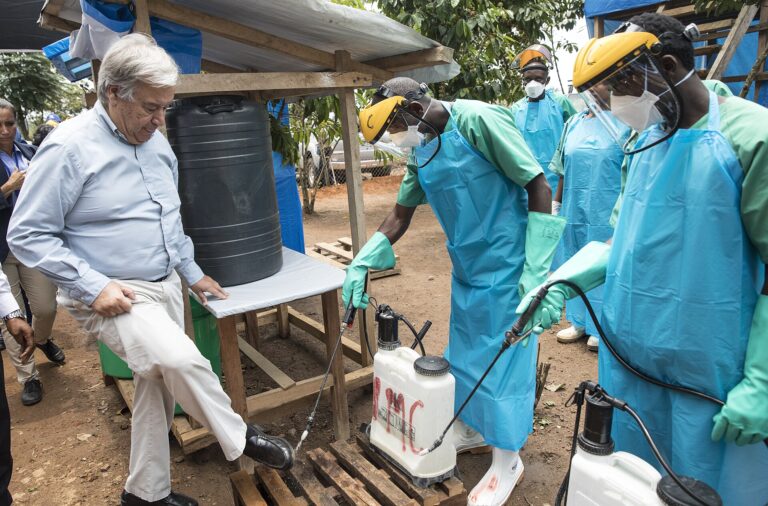


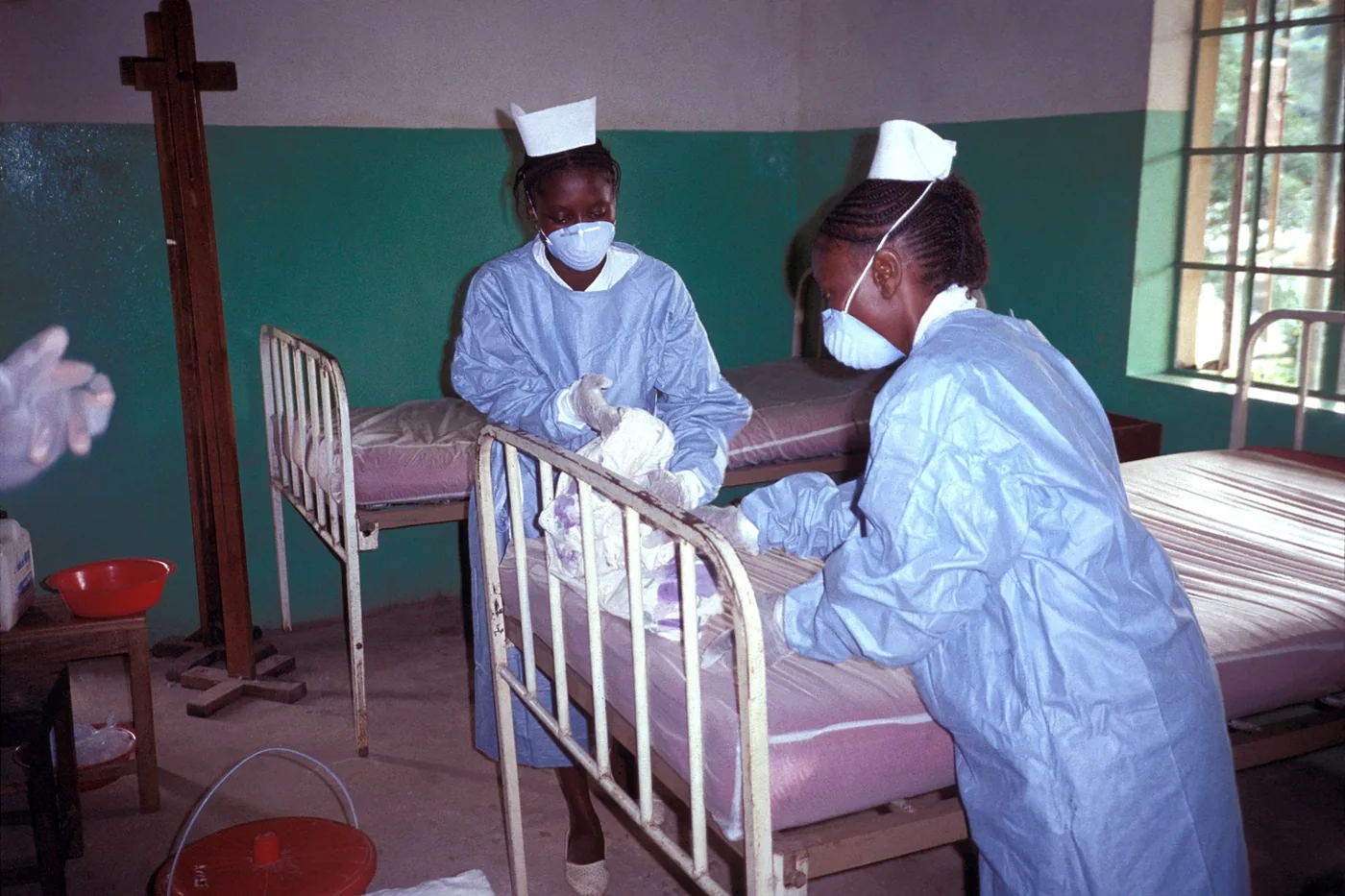
At Bunia General Hospital in eastern DR Congo, Dr Elvis Mani Rodrigo cares for patients awaiting Ebola results as well as those with a confirmed diagnosis. He knows what the wait feels like for families. His wife, a laboratory technician who helped collect samples, developed severe illness and spent nearly three weeks fighting the disease before she recovered.
In an account published by WHO, Rodrigo described how that experience changed the attention he gives to frightened patients and their relatives. His work at the treatment centre includes listening to families and helping them prepare to welcome someone home after recovery.
What happens on the other side of the ward
Rodrigo’s wife was collecting samples as part of the response when she began to feel exhausted. Fever and a cough followed. When testing confirmed Ebola, Rodrigo found himself in two roles he had previously known separately: the doctor explaining the course of an illness and the relative waiting to see whether a loved one would survive. WHO recounts that he was himself considered a high-risk contact.
In the treatment centre, patients can be anxious about people at home as well as about their own condition. A relative outside the ward can face the opposite uncertainty, with little sense of what the patient is experiencing. Rodrigo told WHO that this is why listening and reassurance are part of his daily work. The fear does not necessarily end on the day a patient receives permission to leave.
Care after discharge in Bunia
In a separate October account, WHO described survivor clinics in the Democratic Republic of the Congo that bring together medical follow-up, psychological support and help returning to community life. That extends the response beyond the period in which a patient needs an isolation bed. A person who is well enough to go home can still need help with symptoms, worry about their family or have questions about the precautions clinicians have explained.
For a family receiving someone home, knowing whom to contact again matters. A consultation provides a place to ask questions privately. It also gives health teams an opportunity to recognise difficulties that may never have been mentioned during an acute illness, when immediate survival occupied most of the conversation. The clinic and the treatment ward serve different needs in the same recovery.
Rodrigo’s experience offers a less visible perspective on the workforce behind an outbreak response. A laboratory technician can become a patient. A doctor can continue providing reassurance while needing support himself. In Bunia, the return to ordinary family life that staff seek for their patients was also the outcome Rodrigo hoped for at home. WHO reports that his wife recovered; that experience now informs how he talks to the families waiting for news.