

For a business waiting to be paid by the state, an oil price rise begins to mean something when money reaches its bank account. In its latest review of the Republic of Congo, the World Bank argues that stronger oil income gives the government in Brazzaville an opportunity to settle overdue obligations and change the way new bills are incurred.
The bank forecasts economic growth of 4.4 per cent in 2026. It expects the fiscal balance to reach a surplus equivalent to 3.7 per cent of gross domestic product, up from 0.6 per cent in 2025. A surplus measures the balance over a period. Old unpaid bills can still sit on the books even when this year’s figures look healthier, which is why the report pays particular attention to arrears.
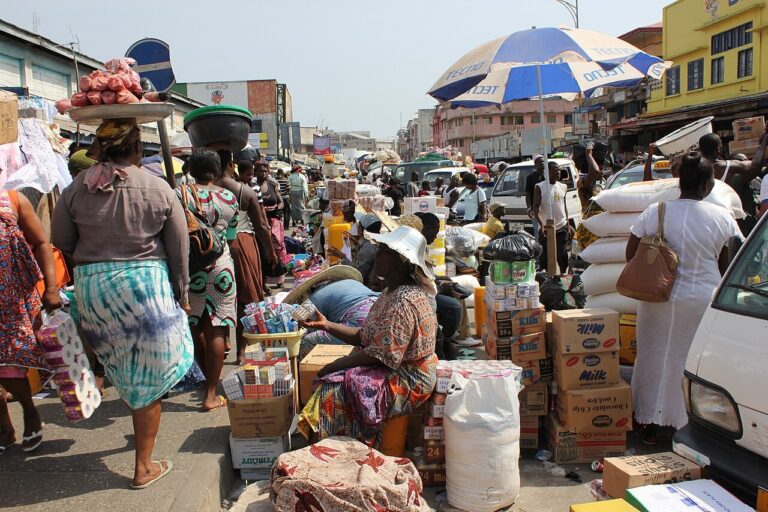
Consider a contractor who has delivered goods and has an invoice outstanding. On paper, the business has made a sale. In practice it still needs money to pay workers, replace stock and meet its own commitments. It may borrow while it waits, accept fewer orders or delay payment to another supplier. Clearing a verified invoice can therefore release money into several hands beyond the company that receives the first payment.
There are two parts to the problem. Officials need to establish which old bills are valid and decide when they can be paid. They also have to ensure that today’s contracts do not create another queue. A government department can have permission to spend within an annual budget and still find that cash is unavailable on the day a payment is due. Better information about commitments and cash coming in can help narrow that gap.
The World Bank expects the favourable oil conditions to ease in 2027 and 2028. Under its projections, growth would slow to an average of 3.7 per cent and the fiscal balance would fall to 2.3 per cent of GDP. Those are forecasts, not receipts already in the treasury. They point to the difficulty of paying for a permanent increase in spending with income that may last only a short time.
For households, the report’s forecast of 3.8 per cent inflation this year also puts the headline growth figure in perspective. A growing economy can coincide with higher prices and cash shortages for individual firms. The most tangible evidence of change would be a supplier able to quote a price without adding a large allowance for the wait to be paid. An oil windfall can clear part of the backlog. A dependable payment system could keep it from building up again.