

Ethiopia gave six staff at Sudan’s consulate in Assosa 48 hours to leave, Reuters reported, citing a senior Ethiopian official. The official gave no reason for the order.
The move comes amid competing accusations over armed groups. Sudan says Ethiopia has supported the Rapid Support Forces in Sudan’s civil war. Ethiopia denies that allegation and has accused Sudan of backing rebels in Tigray, a claim Khartoum also denies.
A border region with two wars on its doorstep
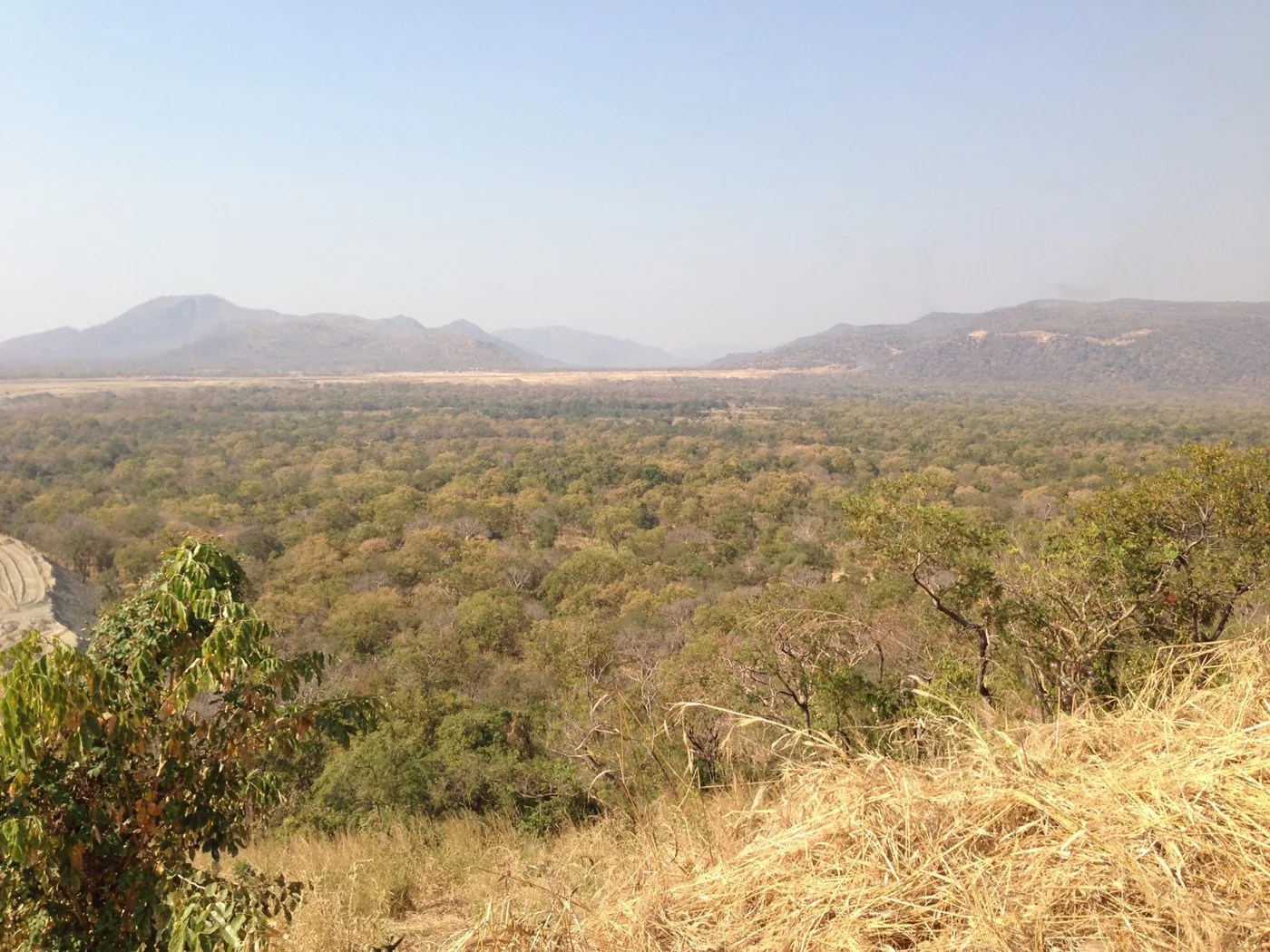
Assosa is the capital of Benishangul-Gumuz in western Ethiopia. People fleeing Sudan’s war have crossed into Ethiopia through this region, and families from Sudan lived here long before the present conflict. The location gives the expulsion significance well beyond the diplomatic communities in Addis Ababa and Khartoum.
Sudan took its allegations to the United Nations Security Council and the African Union’s Peace and Security Council. Its complaint concerns drone attacks on infrastructure inside Sudan. Ethiopia's accusation concerns a different battlefield, in the north of its own country. Both governments are disputing what the other says has crossed their shared frontier. Neither the departures from Assosa nor the submission of a complaint independently establishes responsibility for an attack.
What the border means to civilians
The scale of the civilian connection is documented in records that predate the latest dispute. In April 2025, two years into the war between Sudan’s army and the Rapid Support Forces, the UN refugee agency recorded more than 73,000 arrivals in Ethiopia in need of international protection since the fighting began. Its figures distinguished Sudanese nationals, refugees of other nationalities and Ethiopians returning from Sudan. Counting everyone who crossed as a Sudanese refugee would obscure those different journeys.
Ethiopia’s Refugees and Returnees Service traces the establishment of Sherkole camp, in the Assosa area, to 1996. Bambasi camp dates to 2012. The region therefore serves people displaced at quite different moments in Sudan’s history. Registering someone who has fled a conflict is the responsibility of the host country’s authorities, working with humanitarian partners. It is a separate function from the representation a consulate provides to its nationals abroad.
For those following the dispute, the immediate measure is tightly defined: six members of the Assosa consulate staff were given a deadline to leave. It would take a separate decision to change border entry arrangements or refugee registration. The official quoted by Reuters announced neither measure. The outstanding diplomatic question is how the two governments will handle each other’s security allegations now that representation in the border region has been curtailed.