

Forecast rain and flooding could create conditions for a rise in Rift Valley fever in eastern Africa, FAO and IGAD warned on 30 October. Water left by floods can provide breeding sites for mosquitoes that carry the virus. People can also be exposed through contact with infected animals or their products.
The agencies highlighted Ethiopia, Kenya, Somalia, South Sudan, Tanzania and Uganda, with risk also rising in Burundi and Rwanda. They called for veterinary and public health teams to share surveillance findings and position supplies ahead of possible outbreaks. The warning covers the October to January forecast period.
Why unusually heavy rain matters
The link between weather and disease begins in places that temporarily hold water. Flooding can bring large numbers of mosquito eggs to hatching. When the virus is present, mosquitoes can transmit it to livestock, and movement of infected animals can take the risk beyond the area that first flooded. Weather forecasts give veterinary services time to prepare, but the presence of water alone cannot confirm that the virus is circulating.
There is a regional precedent. WHO records a major outbreak in Kenya, Somalia and Tanzania in 1997–98 following an El Niño event and extensive flooding. For a livestock keeper, the consequences can appear first in a flock or herd: young animals can die and pregnant animals can abort. A cluster of unusual animal losses therefore has significance for animal health services as well as for people working with the affected animals.
Connecting the veterinary and human responses
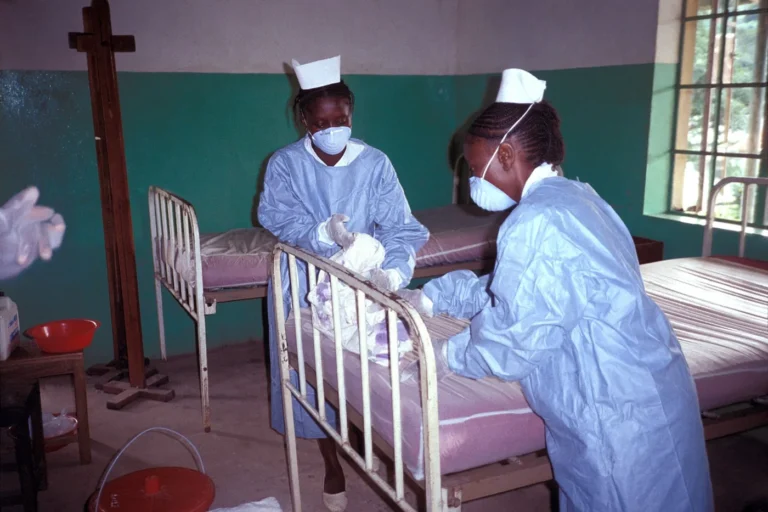
The risk to people includes both mosquito bites and contact with infected animal blood or tissues. This matters for those who help animals give birth, handle carcasses or work at slaughter. Information reaching a veterinary officer may give a local health team a reason to ask about animal exposure when investigating an illness. Laboratory confirmation matters because early symptoms can resemble those of several other infections.
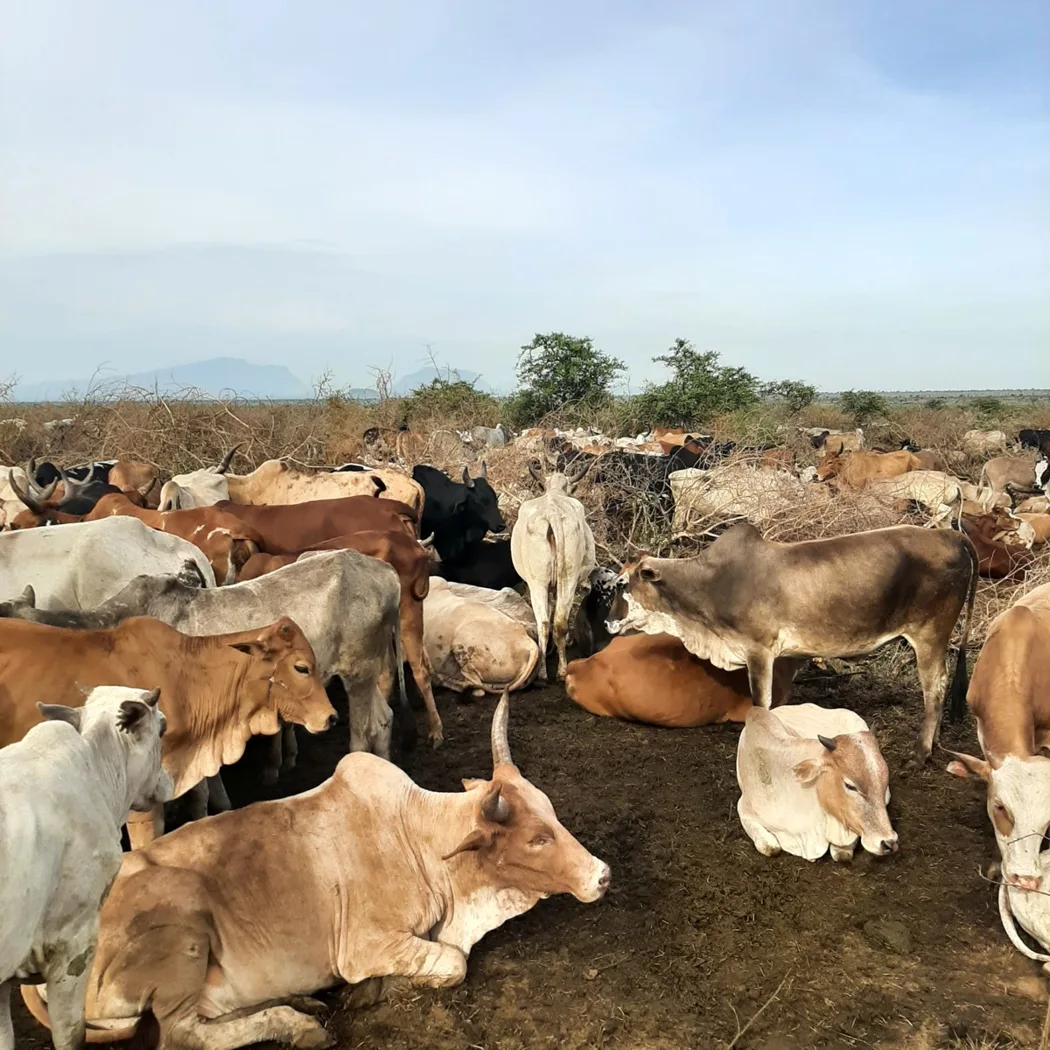
Preparing across borders is particularly relevant to pastoral areas. A herd may move for water, grazing or sale while a rainfall forecast or laboratory report is issued for just one administrative area. Sharing the location and timing of suspected animal cases can help neighbouring districts decide where to send investigators and where to make protective equipment available. It also lets them revise their assessment when tests do not confirm the disease.
FAO and IGAD’s alert is intended to put that work in motion before an emergency. The October-to-January period is a window for heightened attention, rather than a timetable on which every country listed will experience the same conditions. The most useful next information will come from local rainfall observations, reports from herders and veterinary testing in the places where those signals coincide.