

The Green Climate Fund has approved a project to restore steppe and dry forest landscapes within Algeria’s Green Dam programme. The Algerian government will finance 57 per cent of the total cost, according to the fund’s project record dated 28 October.
The project pairs work on degraded land with support for the people who depend on these landscapes. For rural communities, the condition of grazing areas and woodland affects their ability to make a living during dry periods. FAO is the fund’s partner for the project.
A green belt that includes grazing land
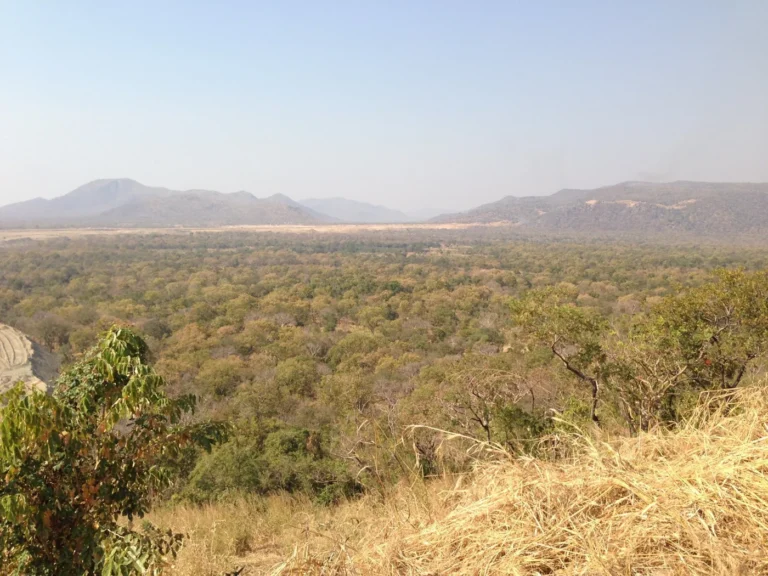
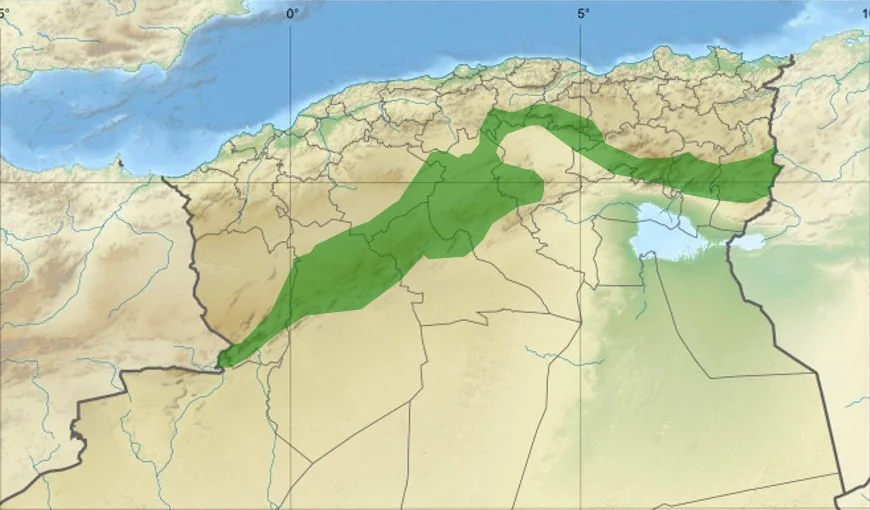
The name Green Dam can suggest a single line of trees. The landscapes covered by Algeria’s programme include steppe, dry forest, dunes and water systems used by pastoral communities. In a dry year, a family’s need to find grazing does not end at the edge of a planting site. That makes rules about access to land as important to restoration as the choice of seedlings.
The fund puts the project value at US$99.5 million and identifies six provinces for work. Plans include a review of the pastoral code dating from 1975 and a system of concessions for grazing. A climate observatory and advisory services are intended to help land users act on better information. The approval brings these measures into one programme with FAO, rather than leaving herders to work out separately how the rules, the weather and land restoration affect them.
From pine plantations to mixed landscapes
The project proposes mixed native species in place of stands dominated by Aleppo pine. Nurseries, many to be managed by women, are part of that change. A nursery can produce a healthy seedling, but its survival once planted depends on conditions at the site. Decisions about species, water and when animals can graze nearby therefore have to be made together.
The livelihood proposals include prickly pear, olive and wool. Taken together, they illustrate how different a restored landscape can look to the people who use it. A herder may value healthier pasture, a grower may seek a crop that can withstand dry conditions, and a nursery operator needs demand for the species being raised. Counting planted trees would capture only a fraction of that work.
The fund estimates that the project could increase resilience for about 1.1 million people. That is an expected reach, which will need to be tested against implementation. Useful measures will include how restored areas fare through subsequent dry seasons, whether pastoral users can obtain and act on climate advice, and whether households share in the income opportunities linked to restoration. Those outcomes take longer to observe than a funding approval.