

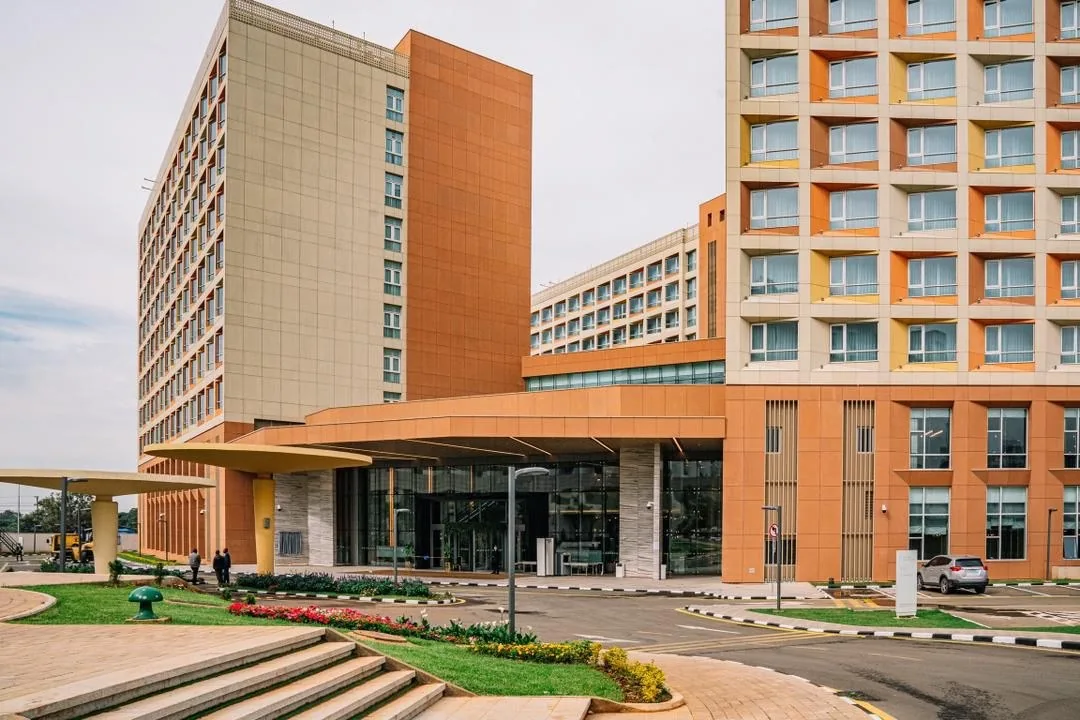
Emergency medical teams from around the world were due to gather in Addis Ababa from 3 to 5 November for the first global meeting of its kind hosted in WHO’s African Region. Organisers expected around 800 participants from 100 countries.
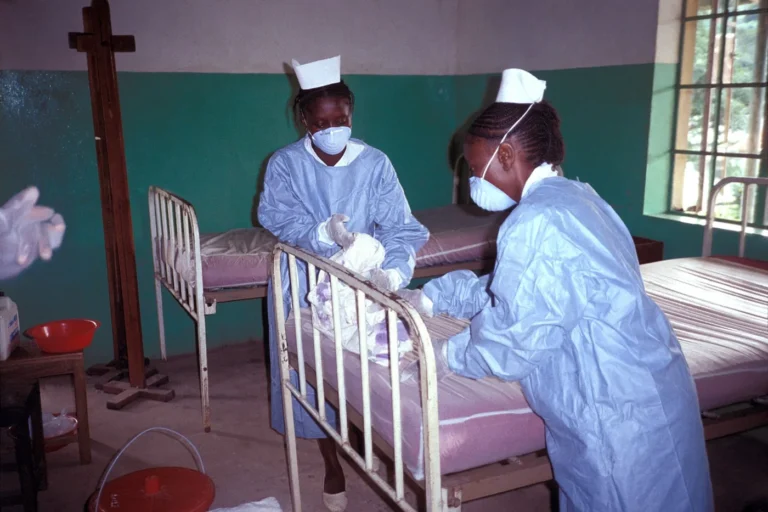
The teams deploy clinical staff and equipment when outbreaks, disasters or conflicts strain local services. Training is only one part of that work. Teams also need transport, reliable supplies and funding to reach patients. WHO said about 30 African countries were developing emergency medical team capacity. Ethiopia’s own team received WHO classification in September.
The field hospital behind the meeting
Ethiopia brings a recent practical example to the discussions. On 15 September, its public health institute and Ministry of Health marked international classification of the country’s civilian Type 1 fixed emergency medical team. The designation recognises a team able to provide outpatient emergency care from an established site. It follows assessment of the people, equipment and systems required to put that service into operation.
On the eve of the global meeting, the Ethiopian Public Health Institute reported a live simulation at the Addis Ababa Field Hospital and regional training hub. An exercise allows a team to test a sequence that is difficult to assess from a staffing list. Supplies must reach the right place, patients must be received and assessed, and the team must know where to refer someone whose needs exceed the care available on site.
How a country keeps a team ready
Having trained clinicians on a national roster leaves several questions for their employers. If nurses and doctors leave their regular posts for an emergency, who covers the shifts they leave behind? If a health authority has bought equipment for a deployment, who maintains it between emergencies? These questions explain why financing and logistics share space on the meeting agenda with the quality of clinical care.
A national team also needs to fit into the response already under way. Local authorities know which facilities are open, where patients can be referred and which communities are hardest to reach. An incoming team that shares information with those authorities can fill a gap in care. A team operating in isolation may duplicate a service while another district waits.
WHO identifies 30 countries in its African Region as developing national emergency medical team capacity. They are at different stages, so a regional training hub offers something a single conference cannot: repeated opportunities to practise, exchange staff experience and assess readiness before a real call to deploy. The question for the Addis Ababa gathering is which parts of that day-to-day preparation national budgets and international partners will sustain after the delegates go home.