

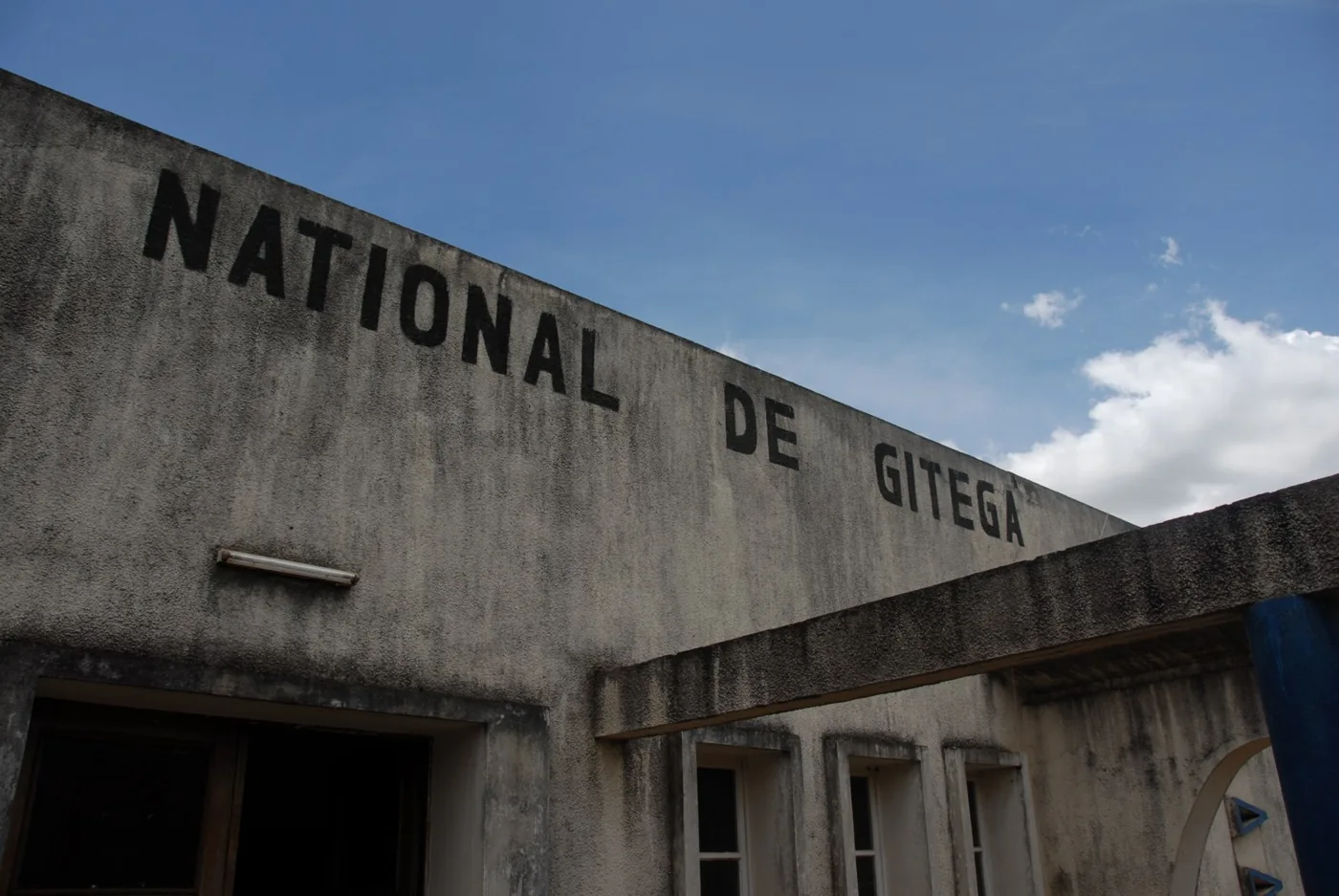
A restoration project in Gitega aims to protect the National Museum of Burundi’s collection and improve the way visitors encounter it. UNESCO announced details on 3 November following the project’s launch on 22 September. The government and heritage foundation ALIPH are partners in the work.
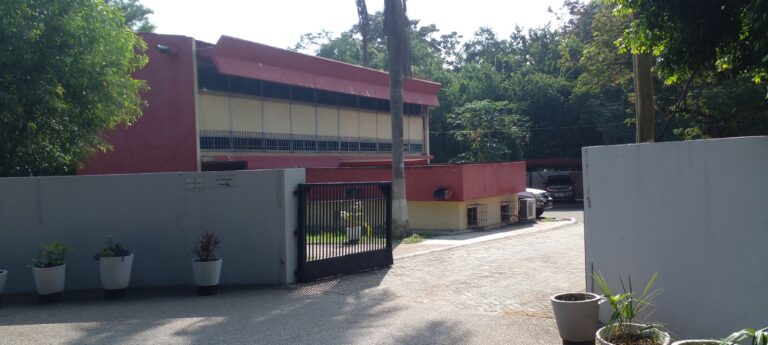
The museum building dates to 1947. It was inaugurated in 1955 and opened to the public two years later. Deterioration has since made it harder to care for exhibits and receive visitors. A UNESCO assessment in February preceded the project, which also includes plans for exhibition and education spaces.
A building with several beginnings
Three dates help explain the museum’s place in Gitega. Construction of its building dates to 1947, the formal inauguration took place in 1955, and the doors opened to the public in 1957. Calling any one of these the date the public museum began leaves out part of its history. The present project, too, has distinct stages: an assessment of the site, a formal launch and the work needed before visitors experience a renewed exhibition.
The collections bring together archaeological material and objects documenting social and cultural life. A display of an object can tell only part of its story. A visitor may recognise a woven container without knowing who made it, what material was available locally or how its use changed between generations. Those are questions that exhibition design, documentation and teaching can answer together.
Preserving the knowledge around an object
Burundi’s tourism authorities describe basketry, decorated papyrus panels and drum-making among the country’s craft traditions. UNESCO’s account of the ritual dance of the royal drum makes another distinction relevant to museums. The drum is a physical object that can be conserved. A performance also involves synchronised movement, poetry, singing and knowledge passed between performers. A display can introduce that living tradition, while the practice itself depends on people continuing to learn it.
For school groups, that opens a route beyond reading the name and age on a label. Two objects made for different settings can prompt questions about work, belief or authority. A photograph, oral account or demonstration can illuminate details that a case alone cannot convey. Such interpretation depends in turn on the less visible task of keeping collections in a condition in which they can be studied.
UNESCO, Burundi’s government and ALIPH are addressing the building and its public purpose together. The announcement identifies conservation and improved presentation as aims. The September ceremony marked the start of that process. A completed gallery, an opening date and arrangements for visitors during the work are separate milestones for the museum to announce.