

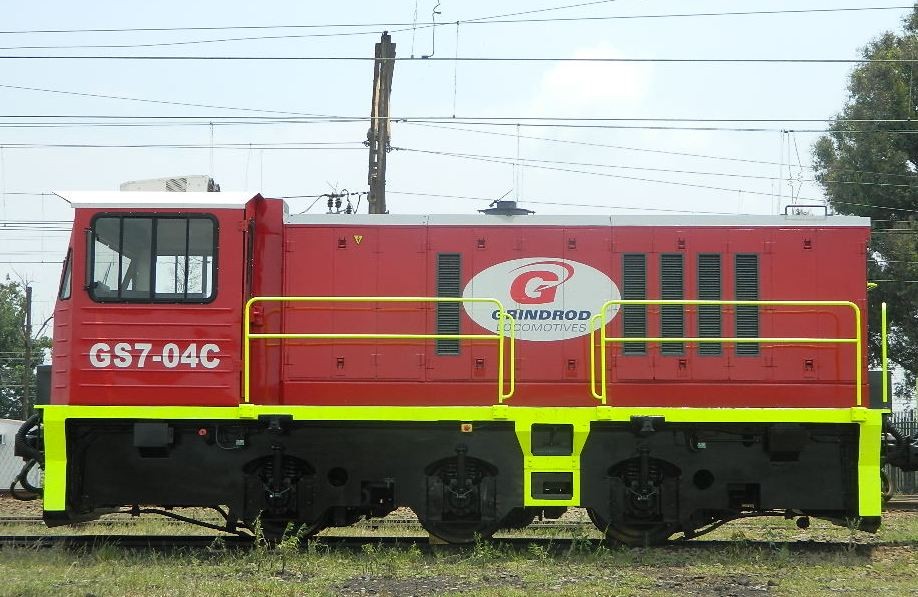
The train left Komatipoort empty on 1 November. A day later it returned with 2,991 tonnes, giving South Africa’s freight rail reform a result that could be weighed. Grindrod and Transnet Rail Infrastructure Manager say the journey on the North-East Corridor was the first test operation by a private train operator under the national network’s open-access arrangements.
Grindrod supplied the locomotives and wagons. Transnet Rail Infrastructure Manager remains responsible for the network on which they ran. That division helps explain what changed on this journey. A company can provide a freight service with its own rolling stock while using a path allocated on infrastructure that is also needed by other operators. The timetable becomes, in effect, a shared resource.
Twelve train operating companies, including Grindrod, signed access agreements. An agreement gives an operator a basis for planning. Taking a loaded train over the route tests a different set of questions: whether the rolling stock, crews, infrastructure manager and traffic arrangements work together over a complete journey. The return leg mattered because it tested the operation with freight on board after the empty outward movement.
Grindrod has two allocated slots on the corridor. The company plans to begin commercial services in 2027, moving mainly coal from Mpumalanga to its Matola terminal in Mozambique. Its first-year target is about 288,000 tonnes. At the weight carried on the test run, it would take roughly 96 loaded movements to carry that amount. That calculation illustrates the scale of the target. Actual train loads and operating patterns may differ from the test.
For a mine or other shipper, repeatability is likely to matter more than the date of the first run. A customer schedules loading around the arrival of wagons and needs to know when the terminal can receive the cargo. A missed slot at either end can affect stockpiles, equipment and the availability of the train for its next journey. A service that keeps to a known timetable gives both the shipper and the terminal more room to plan.
The test marks the point at which a new access arrangement has carried a measurable load. The commercial test comes next year, when the same route must accommodate repeated services alongside the rest of the network’s traffic. Grindrod has identified a destination, an initial cargo and the tonnage it hopes to move. The next figures to watch will be the number of trains that actually run and how much freight reaches Matola over a full operating year.