

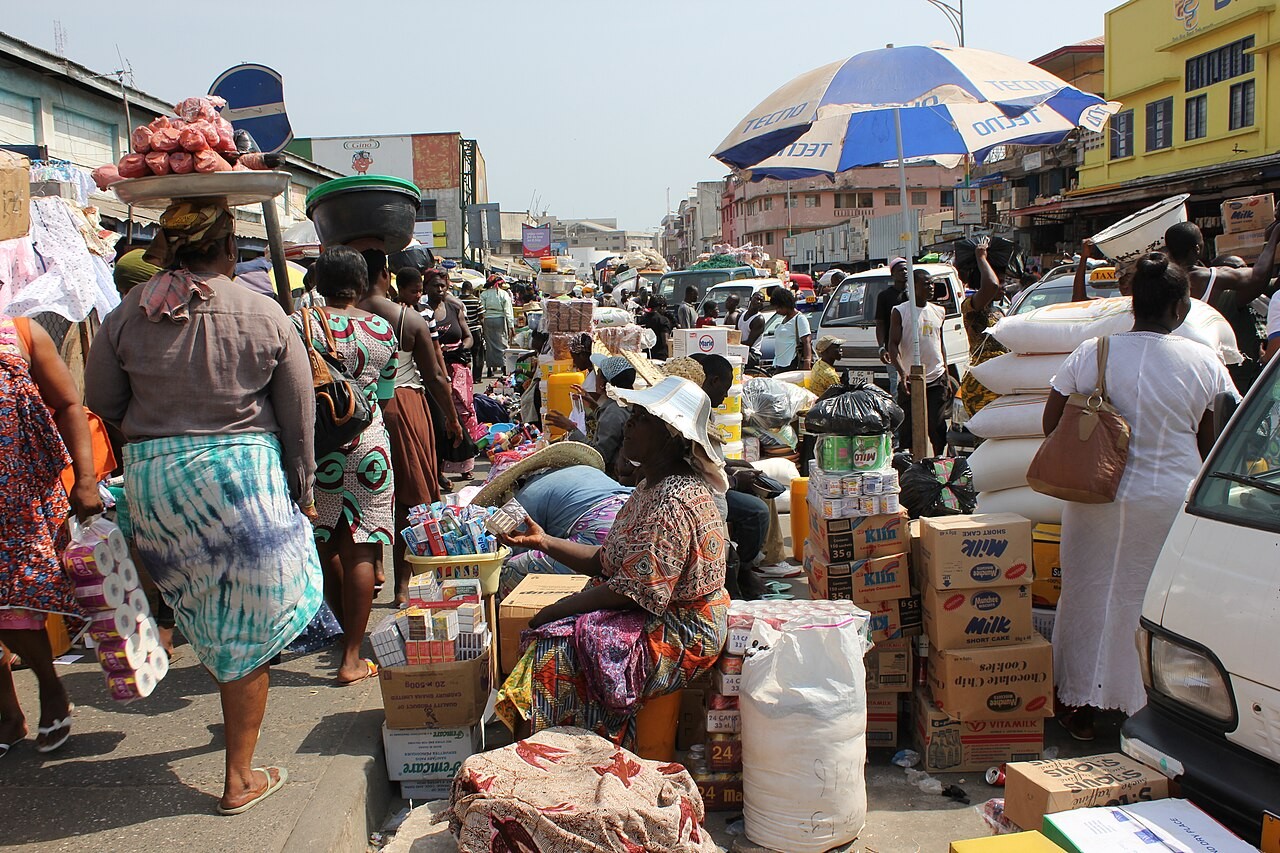
For someone selling food beside a busy road in Accra, the hottest part of the afternoon may also be a time when it is difficult to leave the stall. That tension between earning a living and finding relief from heat is at the centre of a warning from Ghanaian weather and public health specialists as a strengthening El Niño influences the outlook for the months ahead.
The Ghana Meteorological Agency expects hotter, drier and dustier conditions across parts of the country from late 2026 into the first half of 2027. Its outlook also allows for sudden downpours in some areas. Northern Ghana faces particular concern between February and April, when heat stress is expected to peak. The timing matters for people planning work, school activities and journeys through the dry season.
El Niño takes its name from a change far from West Africa: unusually warm waters across the central and eastern tropical Pacific. Changes in ocean temperatures affect atmospheric circulation, which can shift weather patterns thousands of kilometres away. The result in Ghana can vary between seasons and places. A heavy shower in one district and a prolonged dry spell in another can both fit within the same broad outlook.
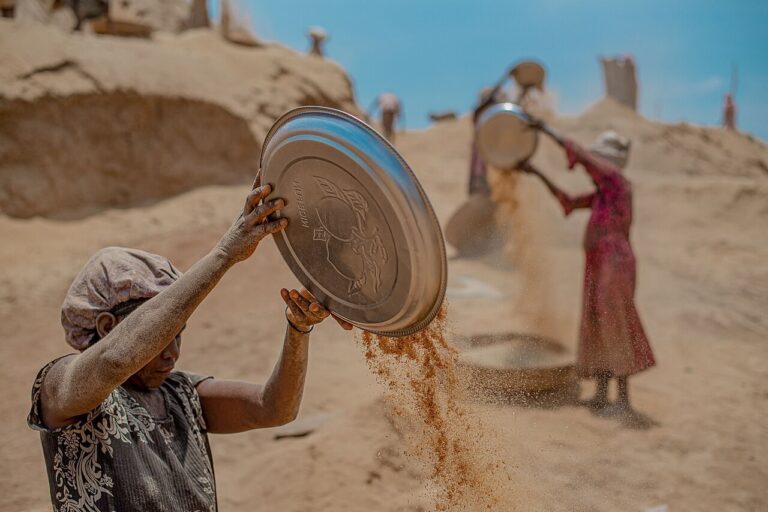
In the Ghanaian Times, Professor Mawuli Dzodzomenyo of the University of Ghana’s School of Public Health singled out people who spend long hours working outdoors. A farm worker may be able to start a task early. A hawker following the flow of commuters, or a labourer whose hours are set by a contractor, has much less control. Advice to move strenuous work into the cooler parts of the day therefore reaches employers and market organisers as much as individual workers.
Schools face a similar decision on a smaller timetable. The professor recommends regular water breaks and shifting outdoor activities away from the hottest hours. Children depend on adults to make those arrangements. Making drinking water accessible near a classroom or allowing a break before a long outdoor activity are changes that can be put in place before a particularly hot day arrives.
Ghana has experienced strong El Niño episodes before, including in the early 1980s, the late 1990s and 2015–16. Those earlier events offer a reason to prepare, while daily forecasts give a better guide to conditions in a particular town. For a trader deciding when to buy stock or a headteacher setting the time for games, the most useful information will be local: how hot the next few hours are expected to be, where shade is available and who has the authority to change the day’s plan.