

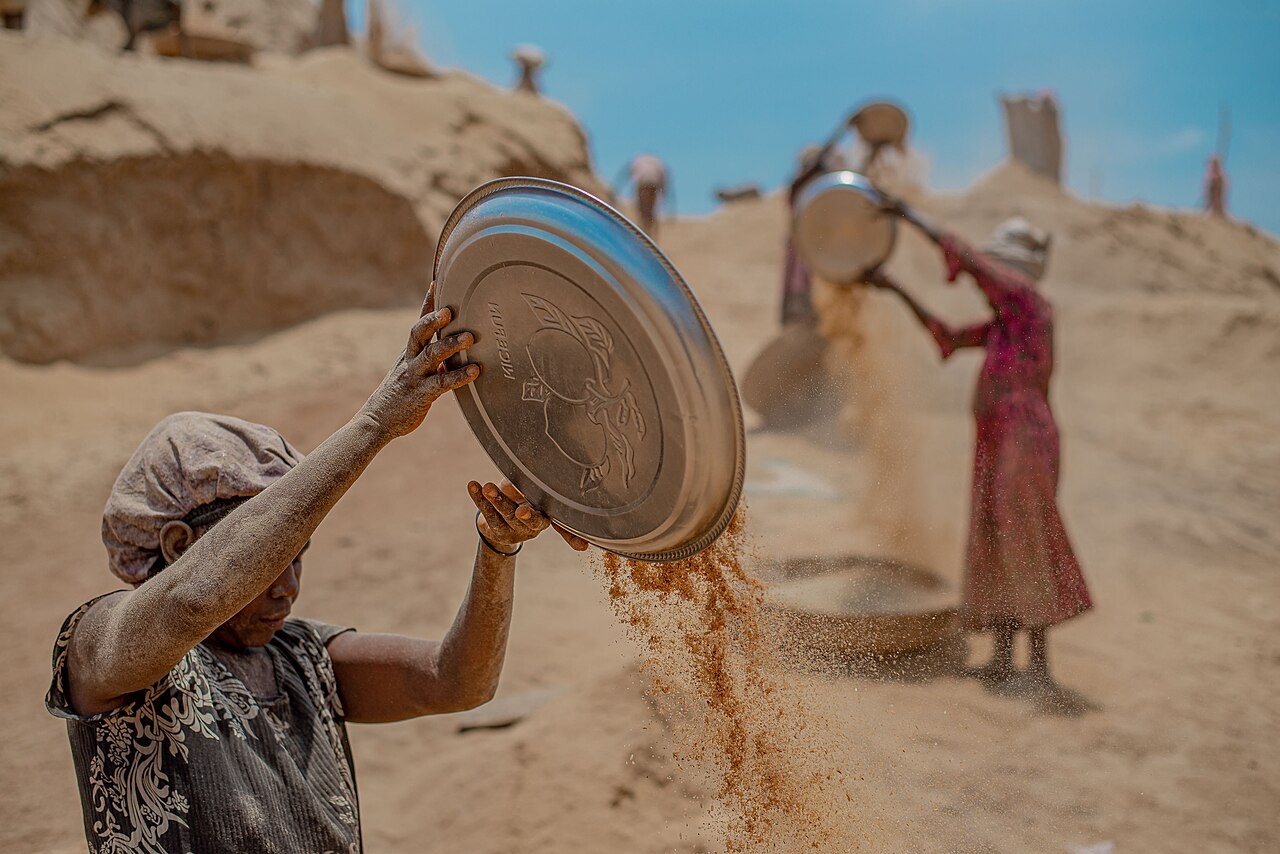
A bag of rice reaches the market only after someone grows the grain, dries it, mills it and finds a buyer willing to pay for its quality. West African governments are preparing a regional programme that covers those steps together. ECOWAS and the African Development Bank have announced an Abuja launch for 11 November, followed by a meeting to settle the immediate work of the programme’s regional steering committee.
The initiative, known as REWARD, has an estimated value of US$650 million and extends across ECOWAS countries and those of the Alliance of Sahel States. Its stated aim is to make the region less dependent on imported rice. Raising output is part of that effort, but the condition of the grain by the time it reaches a shop can matter as much as what a farmer harvests.
A miller needs a regular supply of paddy of a quality the equipment can process efficiently. A trader needs sacks whose contents match the description offered to buyers. A family buying rice for the week judges what is on the shelf by its price, how it cooks and how far the household budget will stretch. A larger harvest can benefit each of them only if the links between the farm and the kitchen work well enough.
ECOWAS will oversee the part of the programme concerned with coordination, policy and technical assistance. Its grant allocation for that work is US$12 million over five years. That sum is one component of the wider programme. The regional body says it will work with the rice research organisation AfricaRice and other partners, including on rules governing agricultural inputs and on information shared through the ECOWAS Rice Observatory.
Better information has some straightforward uses. If production rises in one area while mills elsewhere lack supplies, data that arrive after the buying season have limited value. Timely figures collected on a comparable basis can help officials see where the bottleneck sits. They can also show whether an increase in marketed rice comes from more grain being grown or from a greater share of the harvest reaching buyers in saleable condition.
The proposed meetings bring together officials, researchers, financial partners and private businesses. The work that follows will be judged in places far from the Abuja conference room. A farmer needs to know that a mill will buy the crop, a mill needs sufficient grain to keep running, and a shopkeeper needs regular deliveries at a price customers accept. Those are separate decisions made by different people. The regional programme is betting that tackling them together can make locally grown rice a more dependable choice.