

Making a sale at a trade fair is one thing. Delivering the customer’s second order across a border, at the agreed price and on the agreed day, is a much sterner test. That gap between finding a buyer and keeping one ran through the opening of the East African Community’s 26th trade fair for micro, small and medium-sized enterprises in Kigali.
Rwanda’s Prime Minister Justin Nsengiyumva called for simpler customs procedures, better transport links and wider access to trade finance. For a small firm, those requests are closely connected. A producer who borrows to buy materials has money tied up from the day the order is accepted until the customer pays. An extra day on the road can mean an extra day of borrowing before there is cash to start the next order.
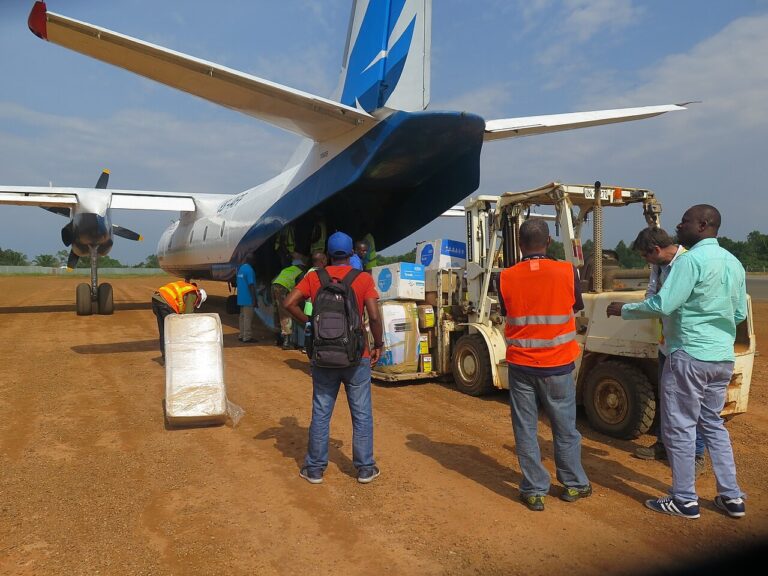
Regional officials pointed to changes already under way. The EAC said its Single Customs Territory had helped reduce cargo transit time from 18 days to four. That is a regional indicator. A business shipping a small consignment still has to establish which paperwork its particular product needs, how the goods will travel and whether its buyer can receive them when they arrive.
Payments bring another set of questions. The prime minister highlighted systems that can work across borders. A digital sale is only partly complete when the customer presses a button. The seller needs to know what amount will reach the account after conversion and charges, when it can be withdrawn and how a disputed or failed payment will be resolved. Such details matter especially to a business with little cash held in reserve.
The Kigali organisers grouped exhibitors by sector, a decision the EAC says can help businesses find partners. A visitor looking for finished goods may discover several competing suppliers. A producer looking for packaging, a distributor or a firm able to handle a larger order can use the same setting differently. The most valuable contact at a trade fair may turn out to be another exhibitor.
Sixteen women entrepreneurs were also recognised following a six-month programme covering regional trade policies, market opportunities and border procedures. That kind of knowledge has practical value well after a stand has been packed away. It gives a seller a better chance of quoting a realistic price before committing to a delivery. For the businesses taking contacts home from Kigali, the next milestone will happen out of public view, when the first enquiry becomes an order and the customer returns to place another.