
Agenda 2063 Explained: What Africa’s Long-term Plan Aims to Achieve
Politics & Business Correspondent
· 2 min read

The African Union’s Agenda 2063 sets out a long-term vision for the continent, bringing economic development, regional integration and public institutions into one framework.
A continental framework
Its seven aspirations cover prosperity, African unity, good governance, peace and security, cultural identity, people-led development and Africa’s role in the world. The framework gives particular attention to the participation of women and young people.
The agenda is best understood as a statement of goals. Its existence does not, by itself, demonstrate that a country has achieved them. Assessing progress requires evidence about implementation: budgets, services, employment, institutional performance and the experiences of citizens.

Ambition and delivery
For readers, the framework offers a useful way to connect national debates with continental ambitions. A discussion about skills training, for example, can be considered alongside the goal of economic transformation; cross-border infrastructure can be examined through the lens of integration.
That distinction between ambition and delivery matters. Coverage of Agenda 2063 should explain both what governments have committed to pursue and what independently verifiable results show.
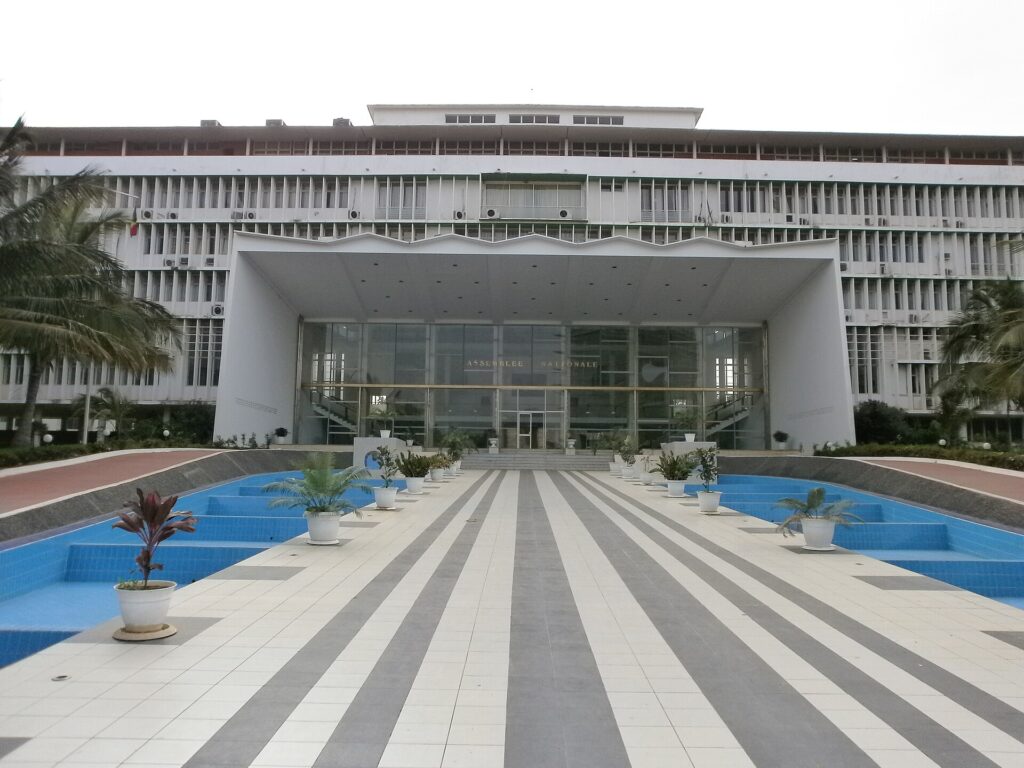
Featured photo credit: African Union Conference Centre, Addis Ababa, photographed in May 2015. Archive image.
Photo: Andrew Moore / Wikimedia Commons / CC BY-SA 2.0. Open original photo and licence record.
Related Stories


More from Politics
View all

The Afrivanta Briefing
Africa, explained.
The most important stories from across the continent, delivered to your inbox every weekday morning.
Newsletter signup is temporarily unavailable.