
AfCFTA explained: why easier border procedures matter for African trade
Politics & Business Correspondent
· 2 min read
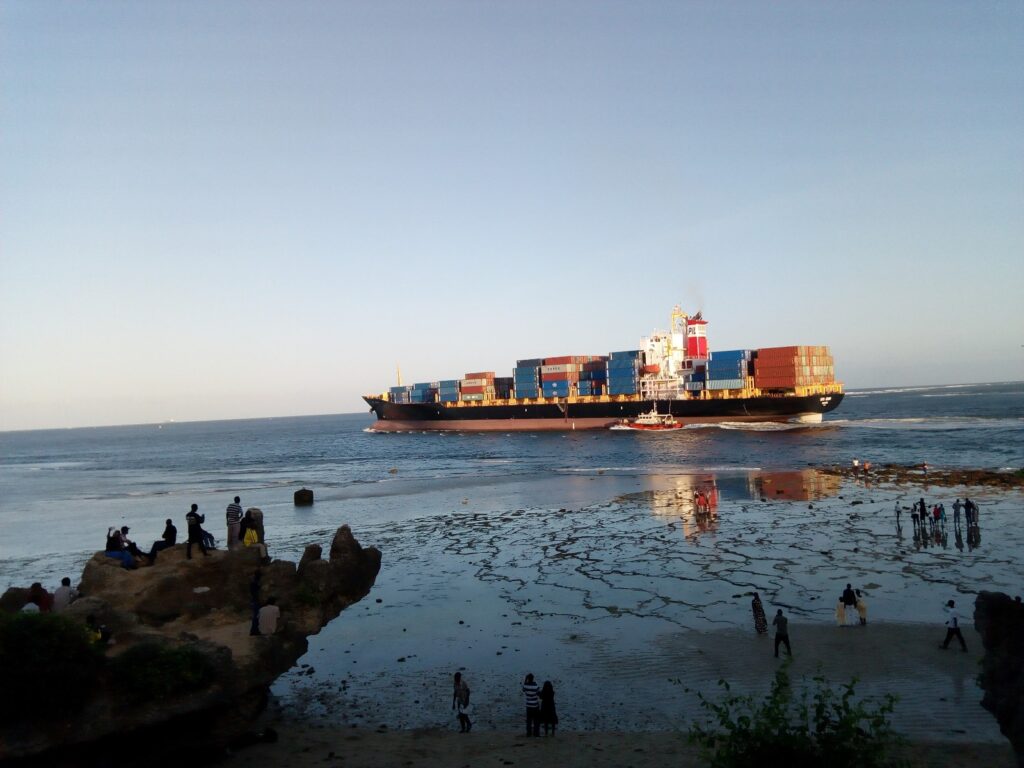
The African Continental Free Trade Area is intended to make trade across the continent easier. A central part of that ambition concerns the practical cost of moving goods, not simply the tax charged at the border.
Beyond tariff reductions
In a study released in July 2020, the World Bank estimated that full implementation could increase regional income by about US$450 billion by 2035 and lift 30 million people out of extreme poverty. These were modelled possibilities, not income already earned or a guarantee of future results.
The analysis placed substantial weight on trade facilitation: simpler customs procedures, less paperwork and lower compliance costs. Removing tariffs alone would not deliver the full projected benefit.

What changes for traders?
For business reporting, this creates concrete questions. How long does a consignment take to clear? Which documents must a small exporter obtain? Are transport and compliance costs falling?
Following those questions helps explain whether a continental agreement is changing daily commercial activity. A signed commitment is the starting point; measurable improvements for traders are the stronger test of implementation.
Featured photo credit: A container ship leaving Mombasa port, Kenya. Archive image; the source gives a date range of 2016–2022.
Photo: Ian Kiptoo / Wikimedia Commons / CC BY 4.0. Open original photo and licence record.
Related Stories


The Afrivanta Briefing
Africa, explained.
The most important stories from across the continent, delivered to your inbox every weekday morning.
Newsletter signup is temporarily unavailable.