

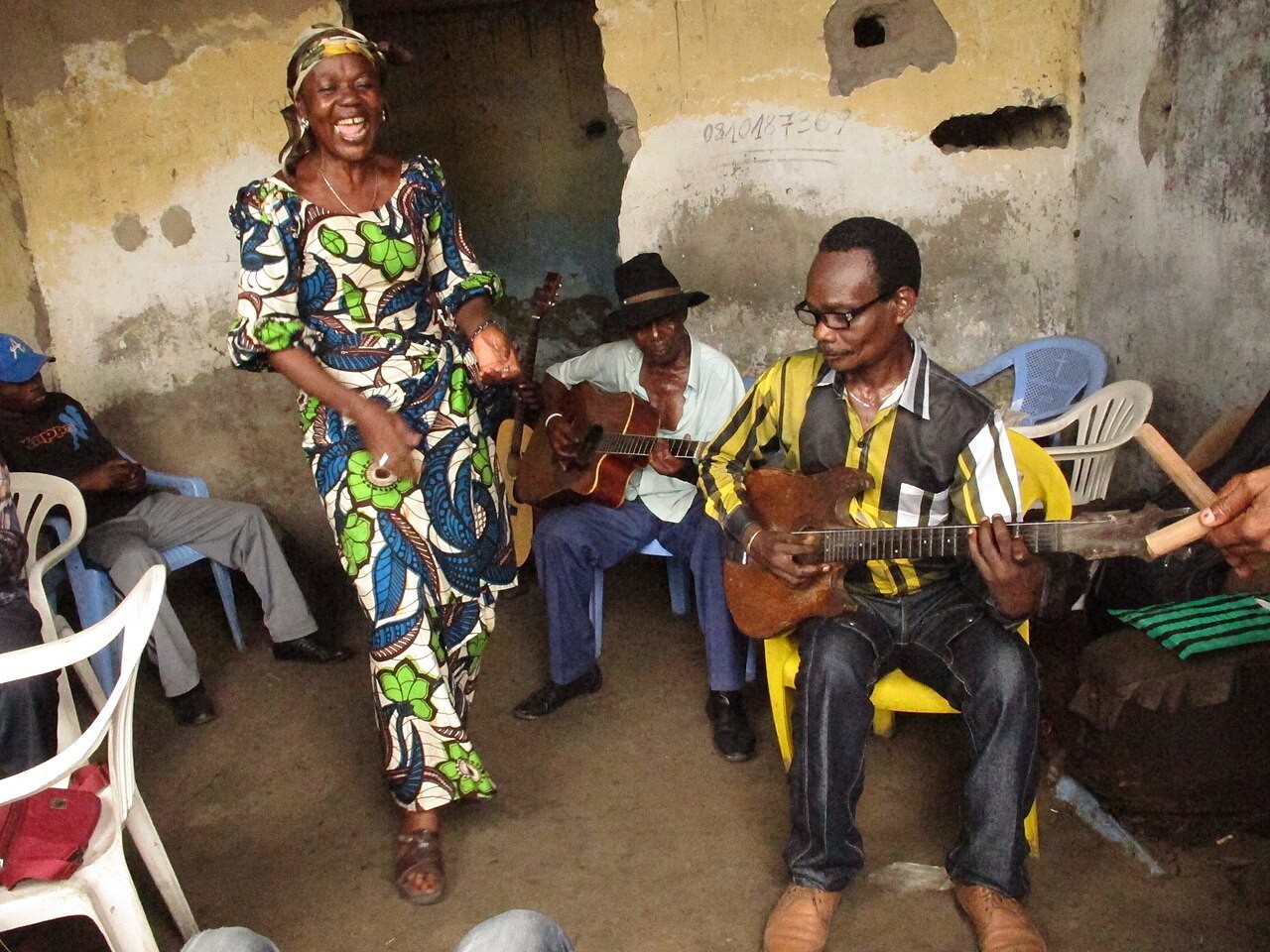
Follow a Congolese rumba song from the musician who makes it to the listener who finds it on a phone, and a deceptively simple question comes up. Who gets paid along the way? A five-day celebration at UNESCO headquarters in Paris will give that question space alongside the dancing, performances and tributes marking five years since Congolese rumba gained international heritage recognition.
The programme runs from 23 to 27 November and brings together a tradition shared by the Republic of the Congo and the Democratic Republic of the Congo. Brazzaville and Kinshasa face each other across the Congo River. The music belongs to cultural life on both shores, a relationship the opening programme will explore through the histories of the two cities and the movement of music between them.
For an audience coming to hear rumba, a session about copyright may sound a long way from a performance. The organisers intend to make the connection by tracing a single work from its creation to digital distribution. A composer, a performer and the owner of a recording may have different claims when a piece travels. A listener can hear the result in seconds. The question of how the proceeds find their way back to the people who made it is considerably more complicated.
The programme also puts young listeners in the picture as participants. Musicians, storytellers, students and children are due to exchange accounts of how the music is learned and passed on. A dance introduction will give people a practical way into the week. In that setting, the person who remembers a particular step and the person attempting it for the first time both have something to contribute to a discussion about heritage.
Rumba entered UNESCO’s international list of intangible cultural heritage in 2021. The anniversary raises a question familiar to any musician taught by an older relative: how much can a new generation change a piece and still hear its history? Sessions on sampling and streaming give that question a contemporary setting. Making an older recording available to a wider public can bring a new audience while raising fresh questions about credit and permission.
An exhibition and a closing discussion about education are scheduled for the final day. The programme’s range makes room for two kinds of memory. There are recordings and archives that people can return to long after a performance ends. There is also the knowledge someone carries in their hands, feet or voice. In November, both will share a stage with the people still earning a living from the music.