

Two women carrying a vaccine box arrived at Asinti Suzan’s home in Yei on 22 October. Her twins were seven months old. The visit, recounted by the World Health Organization, gave the first-time mother and her husband the chance to have both children vaccinated against polio at home. It also came almost a week after the scheduled end of the first national round, a small indication of how a countrywide campaign actually unfolds.
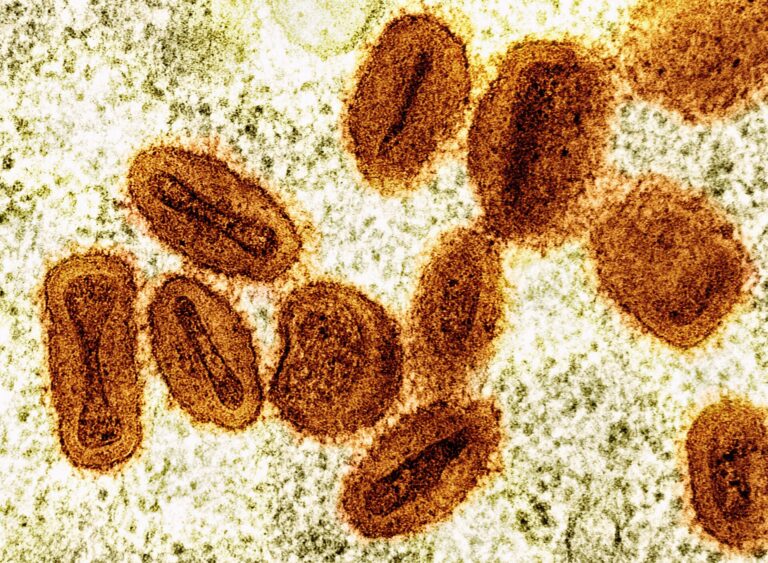
South Sudan’s Ministry of Health is targeting about 3.9 million children younger than five, with support from WHO, UNICEF and other partners. Teams are responding to outbreaks involving two types of circulating vaccine-derived poliovirus. They are working house by house, including in settlements where families who have left their homes may be difficult to find through the usual clinic records.
The first round was scheduled for 13 to 16 October. By 19 October, teams in 73 counties had completed that round, six counties were still working and one had yet to start because of access difficulties. A national launch date is useful for organising supplies and staff. It tells a parent much less about when a team will reach a particular street. In Suzan’s part of Yei, that day came on a Thursday morning.
WHO reported that more than 3.3 million children had received both oral vaccines by the October progress update. That snapshot came while work was still under way. A countrywide total can rise quickly as teams cover accessible neighbourhoods, even as the last settlements present some of the hardest journeys. Insecurity, displacement and the difficulty of reaching remote areas all affect the chances that an eligible child will be home when vaccinators arrive.
The outbreak response also depends on information from outside the vaccination campaign. Health workers investigate cases of sudden weakness or paralysis, and laboratories test environmental samples for evidence that the virus is circulating. The two sources of information help answer different questions. A vaccination tally records whom teams reached. Surveillance can identify places where the virus still needs attention, including places where officials may have little other evidence of transmission.
A second round is planned for November. For health teams, the work between rounds includes identifying which children were missed the first time and where another visit is needed. For a household like Suzan’s, the national operation is much more immediate. It is a conversation at the door, an explanation of why the team has come and an opportunity for two children too young to seek care for themselves to be included.